
Credit Card Debt in Australia – Why Minimum Repayments Keep You Stuck
Debt series - Why Paying the Minimum Keeps You Broke
Key Points (Quick Scan)
Minimum repayments keep debt alive for years (or decades).
Interest compounds, making small balances snowball into huge costs.
Paying extra, even small amounts, saves thousands.
Couples who tackle this together escape the “renting your lifestyle” trap.
The Trap of Minimum Repayments
Compounding interest can work for you or against you. This is an example where is works against you. Credit cards, personal loans, and even some car loans are designed to keep you stuck. Lenders love it when you pay the minimum because it guarantees them years of interest income.
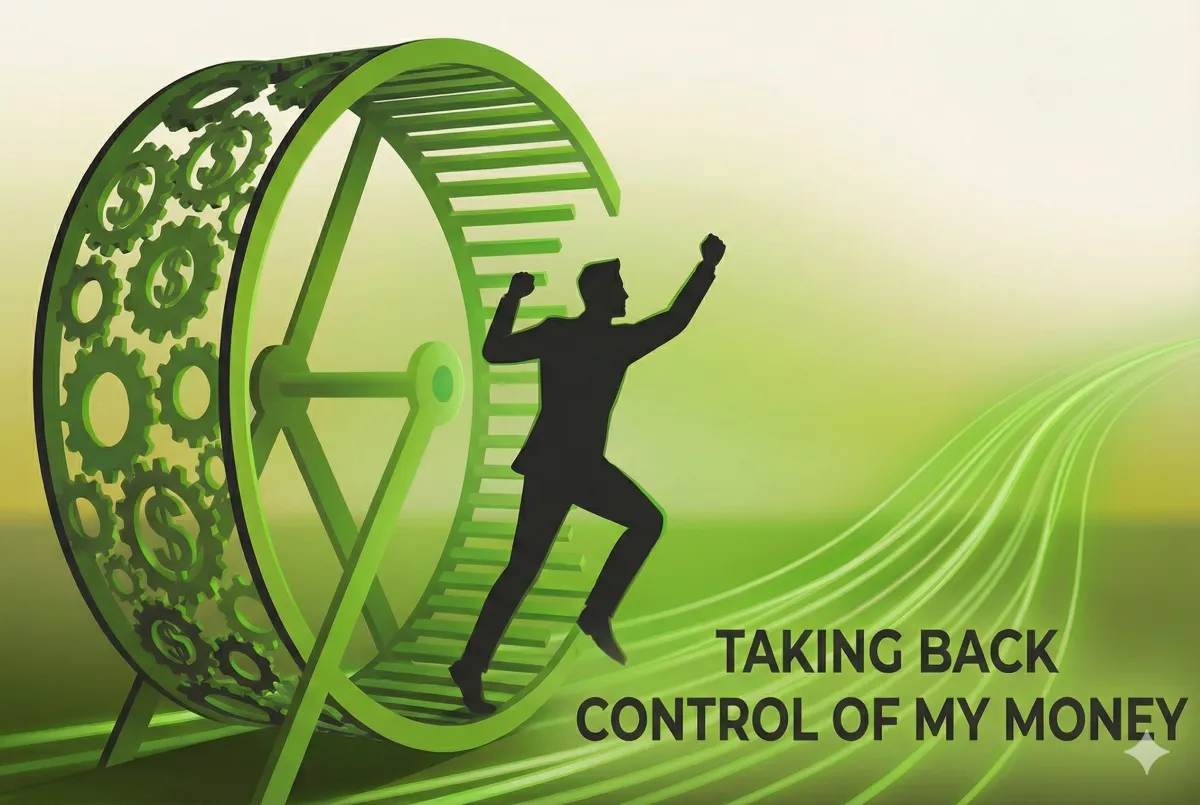
Here’s the truth: paying only the minimum means you’re renting your lifestyle with compound interest. It feels like you’re keeping up, but really you’re falling behind.
A Real Example: The $5,000 Credit Card
Let’s say you owe $5,000 on a credit card at 18% interest.
If you only pay the minimum (around 2–3%), it could take 20+ years to clear.
You’d end up paying more than double the original debt in interest.
Now compare that to paying just $150 extra per month. The debt would be gone in about 3 years — saving thousands in interest.
A Couple’s Story: From “We’ll Manage” to “We’re Free”
I worked with a couple who carried balances on two credit cards. They always paid the minimum and thought they were “managing.” But when we ran the numbers, they realised it would take them decades to get debt-free.
That wake-up call shifted their mindset. They redirected $200 a month from lifestyle spending to debt. Within 18 months, one card was gone, and the sense of relief was huge.
The win wasn’t just financial — it was emotional. They no longer felt trapped.
Why Minimum Payments Keep You Stuck
Compounding works against you. Interest piles up faster than your repayments.
Progress feels invisible. Balances barely move, so motivation disappears.
Debt feels “normal.” Years of carrying balances become a habit.
How to Break Free
You don’t need to double repayments overnight. Small changes add up.
Pay more than the minimum — always. Even $50 extra makes a difference.
Target high-interest debts first. Credit cards, personal loans, BNPL.
Automate extra repayments. Take decision fatigue out of the equation.
Celebrate progress. Every balance drop is a win worth noting.
💡 Tip: Use a simple snowball or avalanche method (more on this in Week 3).
Why Couples Should Tackle This Together
Transparency builds motivation. You both see the real cost of interest.
Shared effort reduces stress. One partner doesn’t carry the burden alone.
Progress feels faster. Tracking together makes small wins visible.
Internal Links for Next Steps
Ready to Get Clear on Your Debt?
You can’t change what you don’t acknowledge. Categorising debt is the first step from stress to strategy
Ready to Write a New Story Together?
Your past shapes you, but it doesn’t define your future. By understanding your money stories, you and your partner can create a shared script that brings calm and confidence.
I have made this super easy planner, so easy my wife and i use it regularly to create and maintain our wealth scorecard.
So now you can too. Get access to the DTMD Financial Scorecard here - It is FREE to use
Built for real life, not spreadsheets
Super easy to use
Buffers, budgeting, debt help and more
FAQ: Minimum Repayments
Q: What if we can’t afford to pay much extra?
A: Even $20 above the minimum shortens the debt’s life and saves interest. Start small and grow as you can.
Q: Should we pay off debt before saving?
A: Focus on high-interest debts first, but keep a small buffer for emergencies so you don’t fall back on credit.
Takeaways (Expanded Recap)
Minimum repayments keep you trapped for decades.
Compounding works against you, doubling or tripling costs.
Paying even a little extra each month saves thousands.
Couples who tackle this together reduce stress and gain momentum.
Wealth Together provides systems to make repayment simple and sustainable.
Final Thoughts
To wrap things up: paying the minimum isn’t progress — it’s postponement. The sooner you pay extra, the sooner you feel free.
Remember: minimums maintain debt. Extras eliminate it.
— Dave The Money Dad
Financial Disclaimer
This is not financial advice. The information provided is for educational purposes only. Please consider your personal circumstances or seek professional advice before making financial decisions.